LINK Summit 2026 – What we learned from the people shaping e-commerce
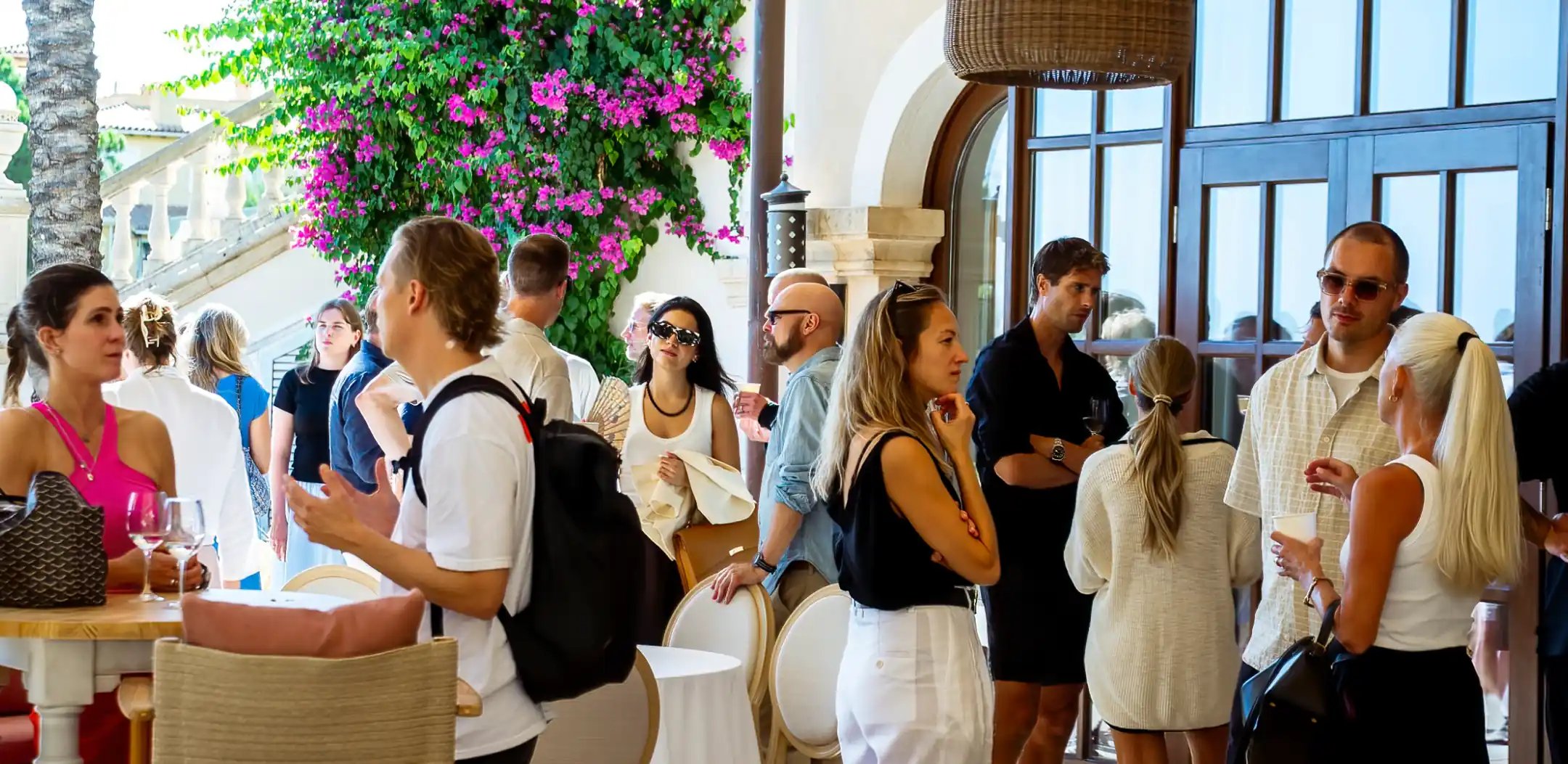
This year, LINK Summit moved to a new destination. Mallorca gave us a fresh setting for fresh perspectives, bringing together e-commerce leaders from across markets to explore what comes next, what it takes to grow globally, and how to scale without losing sight of what matters.
As a founding partner once again, we welcomed about a hundred e-commerce leaders to Mallorca for three days of conversations, workshops, and hands-on learning. Bringing together our customers and partners with other leading voices from across the e-commerce ecosystem gave us the opportunity to look beyond our own perspectives and explore the forces shaping the future of commerce, from customer experience and technology to payments and global growth.
The stage is where ideas are shared, but LINK’s real value comes from what happens around it. When ideas are challenged, perspectives are exchanged, and conversations turn into practical takeaways we can bring back to our businesses.
Here are three themes and key insights we’re taking with us from LINK Summit 2026.
1. THE FUTURE – BUILD EXPERIENCES PEOPLE WANT TO BE PART OF
The future of e-commerce isn't only about new technology, even if it's fair to say technology remains the foundation for more than a lot. It's about understanding what people expect from brands and creating experiences that give them a real reason to engage, always built on that same technological and long-term foundation.
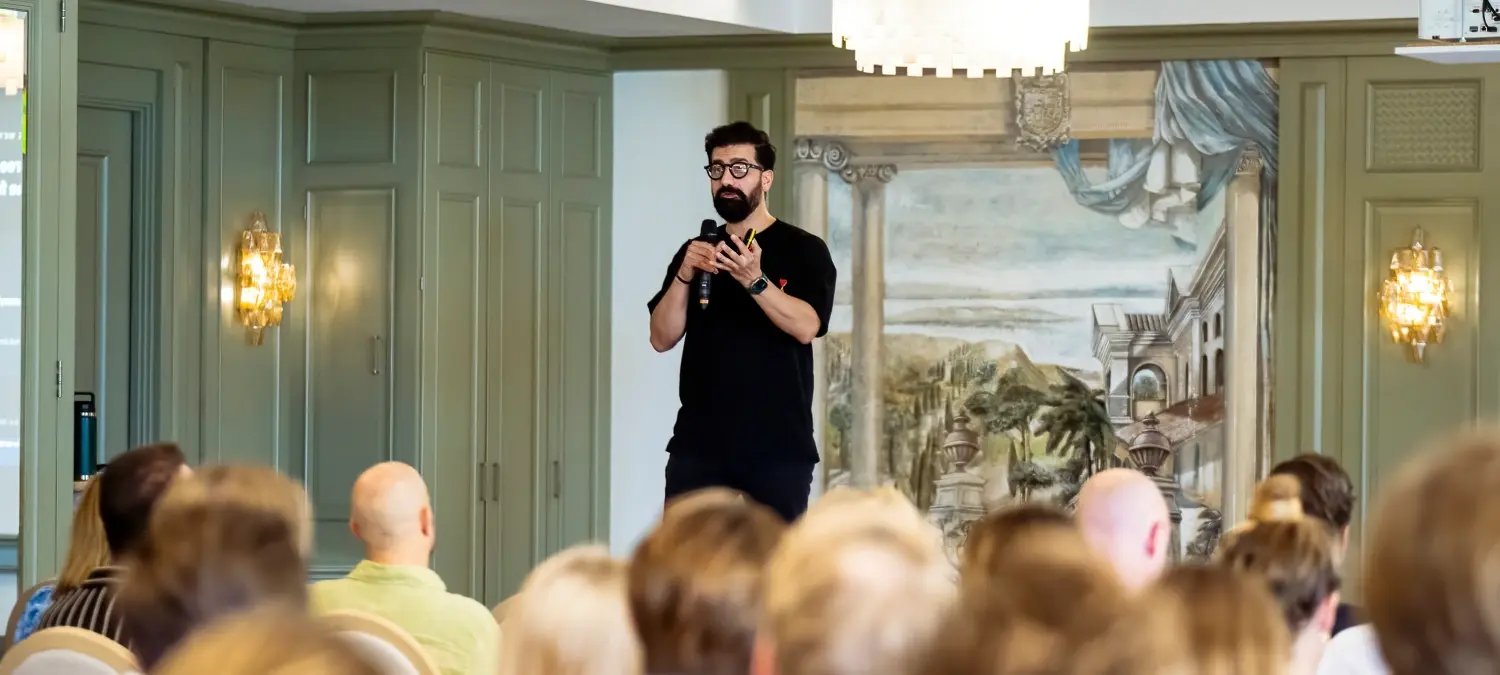
That was the starting point for LINK Summit 2026, as Day 1 explored "The Future" and how brands can stay relevant while consumer expectations keep evolving. Global retail expert and strategic advisor Alex Baker framed the talk around three pillars: luxury, experience, and community. His underlying argument was clear from the very beginning:
“AI has already won the war on efficiency, which means the human touch is now the real differentiator left.”
Luxury, in Alex's framing, isn't about price tags. It's about desire over need, the deliberate friction of scarcity, ritual, and story that mass retail spent the last decade removing. Experience means turning physical space into what he called a "temple," somewhere people go to belong, not just to buy. Community, on the other hand, means trading the customer database for what he called a "velocity community". A network where people talk to each other, not just receive messages from you. His most striking example was the Human Library, a global concept where visitors "borrow" a real person for an unscripted conversation. No product, no script. Just presence.
The same question carried into the session on marketing to the new consumer, a panel conversation moderated by our brilliant LINK partner Impact.com. Guests included Richard Bendiksen (Vakre Vene), alongside two influencer voices from Impact.com's own network (Jessica Serna and Nancy Rodriguez). Rather than thinking of customers simply as an audience, the discussion challenged brands to view the relationship as a partnership (very much aligned with Alex's idea of community).
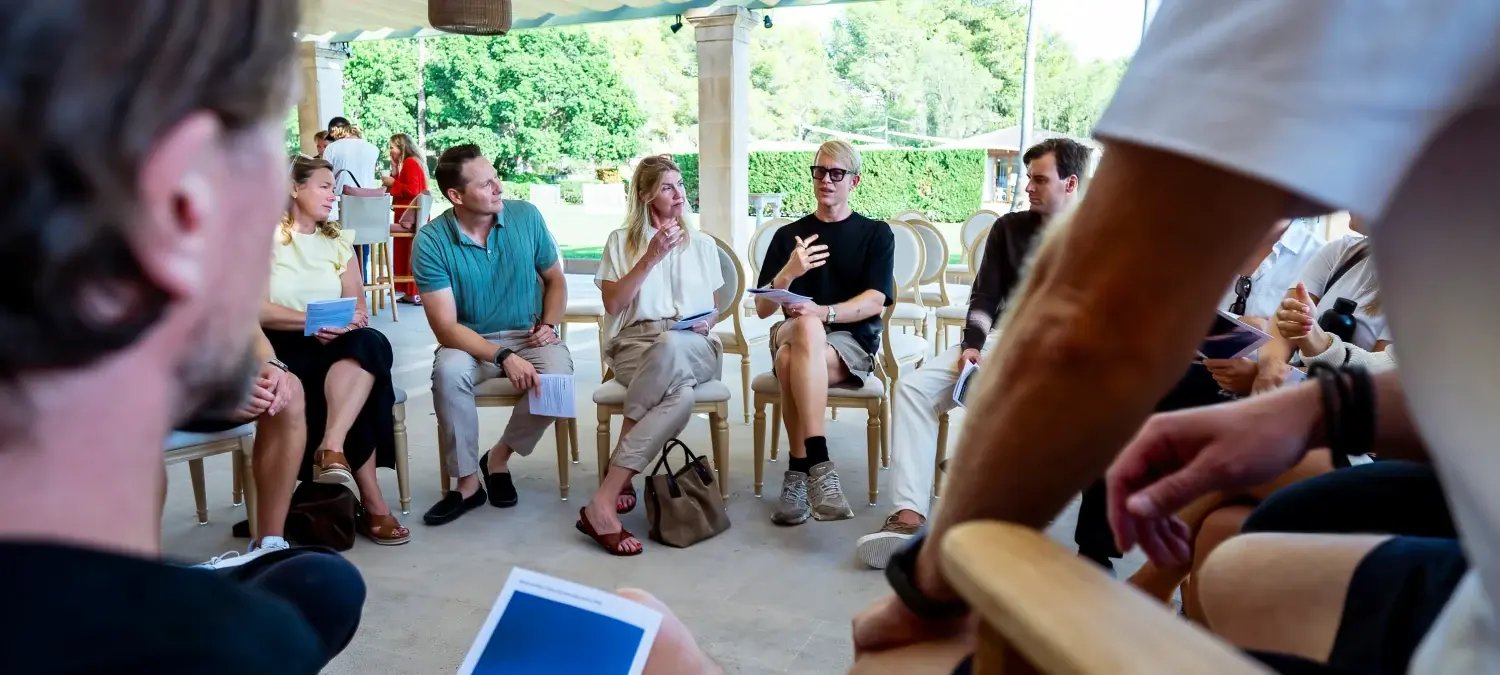
Another of our brilliant partners, TRY, carried the idea further. In the workshop "Disconnected brands won't sell in 2028", Johanna Petersdotter Westerberg took the idea one step further. Participants mapped where their own brands were disconnected and worked to identify at least one concrete fix that could create a stronger, more connected brand experience, something more important than ever in the digital world we live in.
Qliro's take:
The future belongs to brands that create more than transactions. Experiences, community, and authentic connections can turn customers into participants, and brands into something people actually want to be part of. Technology can help create better experiences, but it cannot replace the human connection behind them.
For us, the most interesting part is where technology, payments, and customer experience come together to make the entire journey feel more relevant and valuable. That's a core part of our own flywheel model. Always building the best possible experience for our merchants, and through them, for their customers.

2. STRATEGY – ADAPT WITHOUT LOSING YOUR CORE
If Day 1 was about understanding where e-commerce is heading, Day 2 turned to strategy and the harder question of what to do about it.
Lars Silberbauer, who has led brand transformation at LEGO, the Olympics, Paramount (MTV) and Nokia, opened Day 2 with a challenge:
"Embrace the constant evolution. Change is a journey, not a destination. Choose bold authenticity over comfortable conformity."
He broke it into three concrete moves, and that afternoon he ran a workshop putting exactly "Lead, manage, and engage" into practice – built around turning change into something people actually do. It was the kind of line that made everyone in the room quietly reconsider their own safe zones.
Olof Darpö (BCG) followed with concrete tips and sharp examples to back up the commercial case about building organic traffic, becoming the destination of choice, and protecting margin before chasing more of it. Jonathan Selander (guided.work), moderated by Fredrik Norberg (CDON) and joined by Jörgen Sandström (MissMary) and Maja Dahlberg (HSNG), grounded the AI conversation in what's actually usable today versus what's still noise.
That same tension, staying true to your core while adapting fast enough to grow, carried straight into the day's closing session, on what it takes to expand across markets.
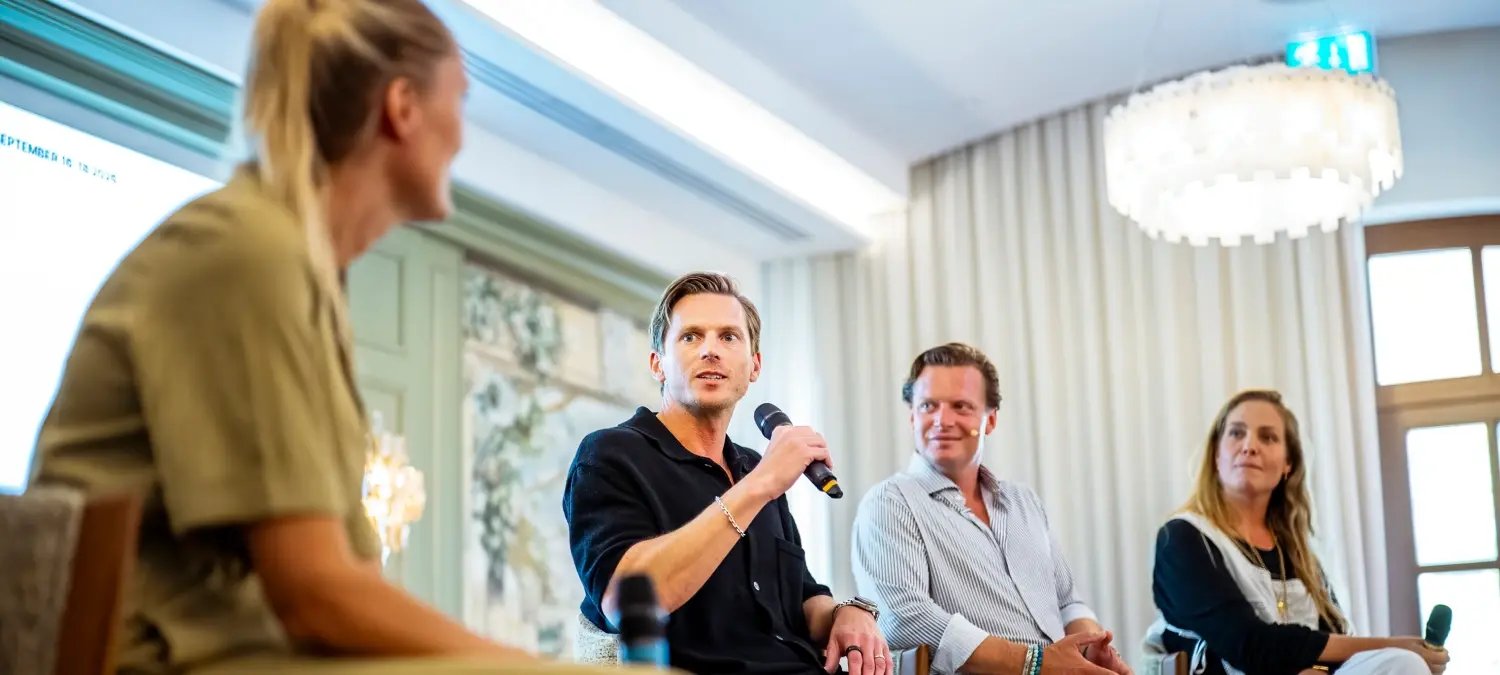
On stage, our CEO Christoffer Rutgersson shared Qliro's journey and ambitions for global expansion. The conversation continued as our Deputy CEO, Evelin Kaup, joined him on stage for a panel discussion together with Ellen Dixdotter (Mandaley Brands – Soft Goat & Malina) and Henrik Elmgärde (Haypp Group). Although it's impossible to boil these conversations down to one sentence, one key takeaway is that every journey looks different, and you need to make many local decisions. You need to know who you are, understand where you're going, and adapt to the market without losing your core. Rules and regulations differ. Consumer behavior differs. Payment preferences differ.
But localization does not mean reinventing the brand. Ellen emphasized the importance of knowing your core and being extremely specific about who you are. She advised staying true to that core while adapting the assets around it, rather than changing the brand itself. Expansion takes patience, and relationships take time to build, especially when entering a new market. Henrik's advice was equally simple. Don't assume too much about your new market. What works at home may not work somewhere else, and the only way to understand the difference is to listen, learn, and adapt.
Qliro's take:
We see this everywhere in our business. Global expansion isn't a single decision. It's dozens of smaller ones, made market by market, and a strategy only means anything once someone has actually gone and adapted it on the ground.
For us, that global perspective isn't a side project. It's core to who we are. We see localization as a balance between consistency and flexibility. The technology needs to scale, but the experience still needs to feel local in payment preferences, regulations, consumer behavior, and merchant needs. That’s part of why we work closely with our merchants and execute alongside them.
3. LEADERSHIP & INSPIRATION – KNOW YOURSELF, THEN LEAD
By Day 3, the conversation had moved from markets and customers to something even closer to the business itself. After two days of getting to know each other, the room was ready to talk about the people behind the growth, for real. What kind of leader are you? What's actually working? What has it delivered for your business? What needs to change?
Filip Ummer, co-founder of YOJ and Ideal of Sweden, opened the day by challenging a familiar word in entrepreneurship and leadership. Ambition. Everyone says they are ambitious. But why are you ambitious? His session reminded us that scaling isn’t only about moving faster. Sometimes, it's about stopping long enough to listen, reflect, and understand what is actually driving you, and in turn, what's actually driving your business.
That question continued into the panel "Scaling 10 to 100," where Sebastian Öhrn (Myrqvist), Gabriele Helmer (ZinZino) and Elisabet Sandström (Enterstore) shared some of the less polished realities of growing a company, from hiring the right people to making difficult decisions along the way. The mix that came through again and again. Know exactly who you are and what you're ambitious about, but stay just as sharp on what the people you're building actually want. Conviction gets you moving. Listening keeps you moving in the right direction.
Then Olof Darpö (BCG), who moderated the panel, added one of his sharpest lessons. Learn to say no. Be clear about what you say yes to, but just as importantly, what you say no to. Because as a company grows, focus becomes increasingly valuable.
Qliro's take:
Scaling isn't just about adding more people, products, or markets. It's about building the right organization around your ambition, listening to the people who matter, and staying clear on what deserves your attention.
The same idea applies to us. Growing fast in payments and technology means constantly relearning what creates value for our merchants and their customers. Creating those small WOW moments throughout the journey is at the core of what we do, and we never do it alone. LINK is proof of that in itself. Three days that work because everyone in the room brings something to it. It's the same principle behind how we grow together with our merchants, and shaped by what they and their customers actually need.
GROWING TOGETHER
Three days and countless conversations later, we left LINK with one reminder that echoed across every stage: know who you are, and stay curious enough to keep evolving. That holds whether you're building a brand, entering a new market, scaling an organization, or, as we landed on during the final day, leading yourself.
There's no universal playbook. The most valuable lessons come from other people's experiences. The mistakes, the unexpected turns, and the decisions that didn't go as planned. That's exactly what makes LINK so valuable. A keynote becomes a debate at the workshop table, and a throwaway comment becomes the thing someone brings back to work on Monday.
To everyone not named here. Thank you for all the engagement and energy you brought. You're what makes LINK what it is.
Commerce doesn't grow through better ideas, stronger relationships, or smarter technology alone. It grows when all three move in the same direction.
👉 Growing beyond the Nordics, or just curious about being part of this?
Feel free to reach out. We'd love to hear from you.