What E-Com Summit Sthlm edition 2026 told us about the Future of Commerce
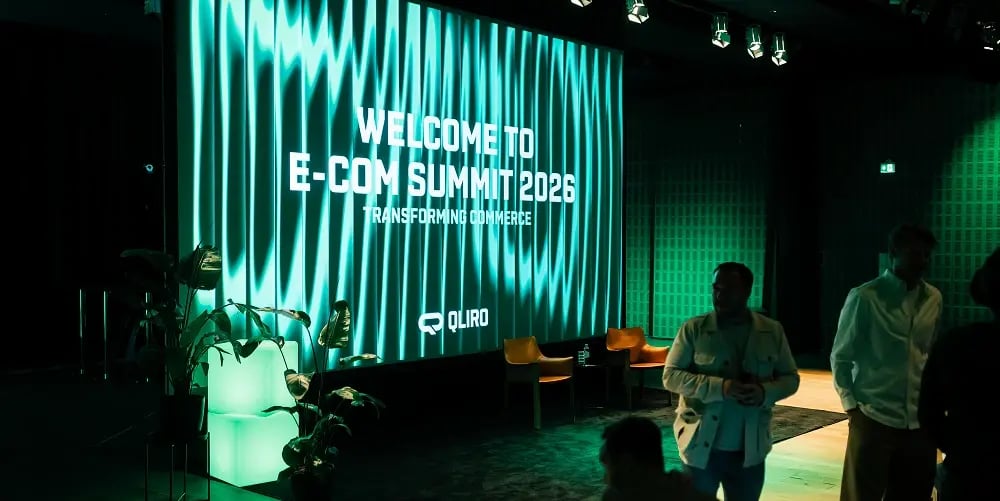
For the fourth year in a row, we gathered some of the Nordic region's brightest e-commerce voices at Moderna Museet in Stockholm for an evening themed Transforming Commerce. This time, Jacob Wibom Westerberg moderated the E-Com Summit and helped us find out what companies need to do to adapt when the market is running at full speed and customer behavior is changing faster than ever.
We've gathered the most important insights from the evening to help you understand how the future of commerce is being shaped by bold leaders, smarter technology, and stronger brands.
Growing without losing momentum
The evening started with Bank Bergström, CEO of Nordic Nest, taking the stage. After an impressive growth journey from around 30 to over 400 employees in just a few years, he shared his key lessons on leadership, growth, and transformation.
One message came up repeatedly during the conversation, and continued to spark discussion long after Bank had left the stage. When companies scale quickly, knowing when to let go of control becomes even more critical.
To quote Bank's own words:
If you as a leader know exactly everything that is happening in the organization, it's likely a sign that the company is moving too slowly. Scaling requires a mandate, responsibility and, above all, psychological safety. A culture where people dare to make decisions, make mistakes and keep evolving.
At the same time, Bank emphasized the importance of never losing sight of the customer. Technology, AI, and new ways of working are changing the landscape at record speed, but the ability to understand customer needs is still what separates successful companies from the rest. In other words, in an age when everything moves faster, understanding customers is crucial.
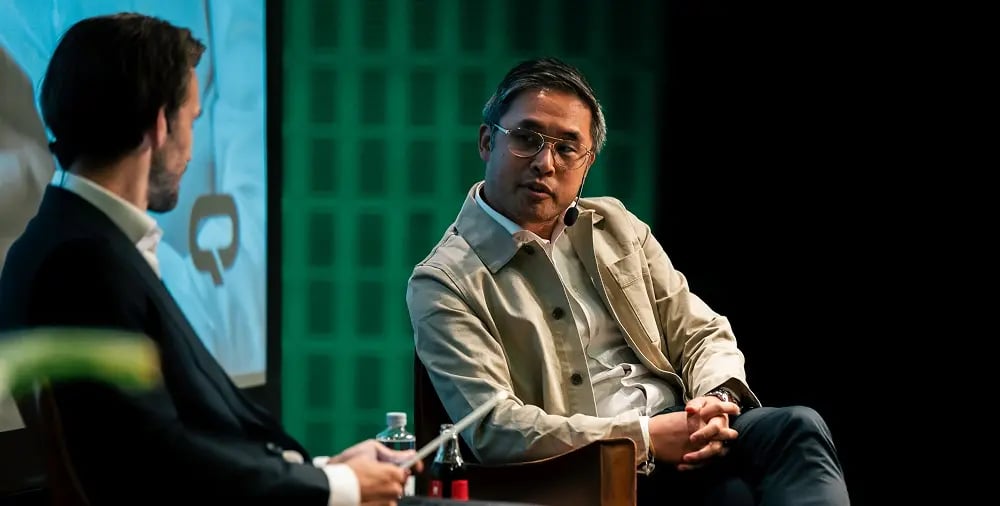 Photo: Jacob Wibom Westerberg (Podcast host Zero to 100, Orange juice), Bank Bergström (Nordic Nest).
From insight to innovation
Next up were Qliro's Evelin Kaup and Pauline Högberg, who took the stage to present the launch of Qliro Checkout Generation 4, which closely aligns with Bank's point about the importance of customer understanding. The launch is built on a clear philosophy in which all development starts with data and customer insights.
By continuously analyzing behavior, friction, and conversion patterns, the new checkout is developed based on how consumers actually shop.
Among the new features presented:
- Qliro Fast Track: A one-click checkout for returning customers
- Robust Validation: Improved validation with postal codes and email addresses
- Multi-Channel Checkout: Pre-filled payment links that reach customers wherever they are – online, in-app, or on the go
The goal is the same as always. To create even smarter, faster, and stronger shopping experiences that help merchants maximize both conversion and customer satisfaction. Read more about Qliro Checkout Gen 4 here.
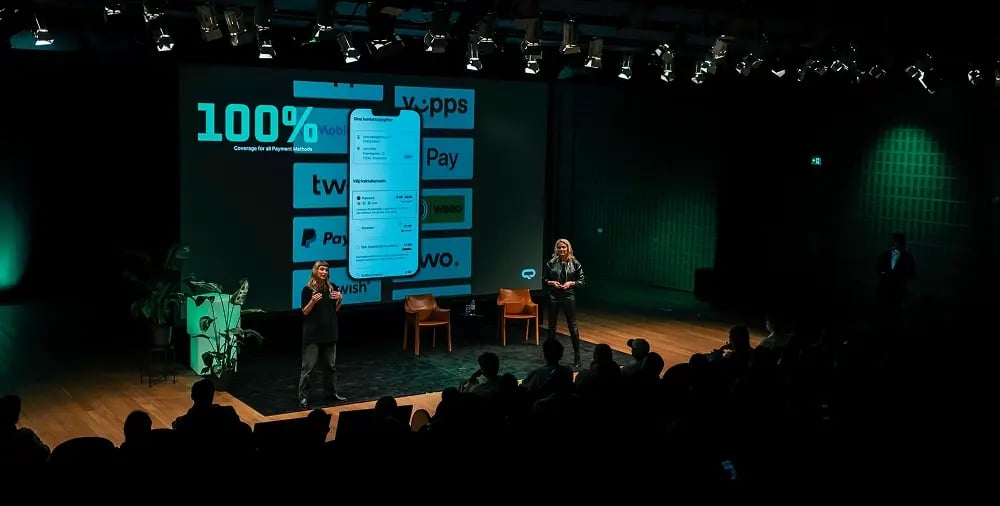 Photo: Pauline Högberg & Evelin Kaup (Qliro)
What drives growth
The conversation continued with Jeanette Dyhre Kvisvik (Villoid), Fedja Porobic (Porobic Group), and Erik Hoekstra (Florea) as they discussed what it really takes to build fast-growing companies. A common thread was the importance of setting ambitious goals, getting the right foundations in place from the start, and constantly adapting.
AI is no longer a competitive advantage in itself. It's rapidly becoming a baseline expectation. The discussion, therefore, focused not on whether to use AI but on how to deliver real business value from it. Fedja encouraged companies to start experimenting now, highlighting how easy it has become to build AI agents and automate workflows, and how the leverage between effort and results can be huge.
At the same time, Erik emphasized the importance of always linking AI to concrete business benefits:
"AI isn't a strategy in itself. The key is to understand what problem you're trying to solve and what business value you want to create. Yes, it's dangerous not to use AI today. Vibe coding and to be curious is good, but it's equally important to link your AI use to a clear strategy."
Jeanette described how Villoid built the business to scale from the start, with clear ambitions and the right technical foundation. When it comes to long-term growth, the panel tends to return to the point that relationships and community are crucial competitive advantages in today's climate. Jeanette highlighted, among other things, the importance of not letting technology overshadow what creates human value.
"We've built a strong AI foundation, but long-term growth is more than technology. It comes from understanding people's needs, having a clear purpose, and continuing to build a community that feels like you are creating real value for them. Villoid was created with the aim of building value for women within a community, much like how we’ve gathered here tonight to discuss the future of e-commerce.
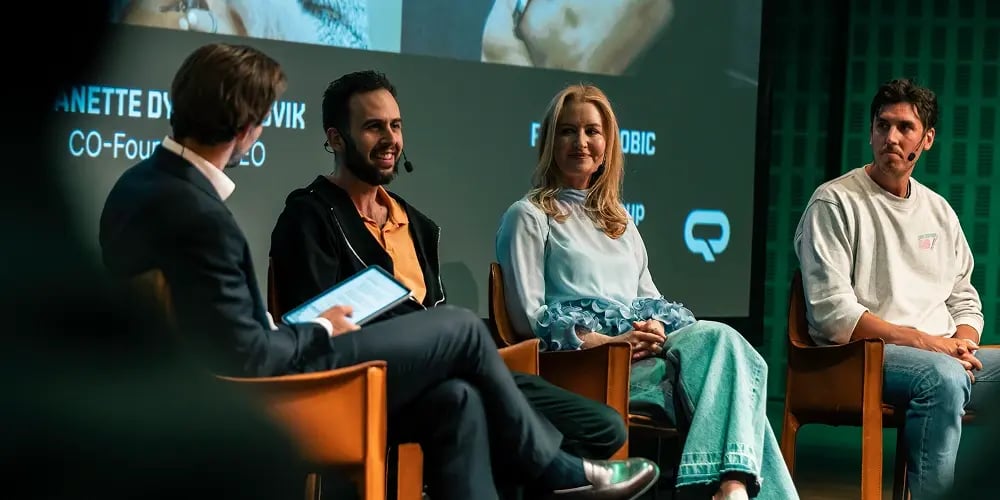 Photo: Jacob Wibom Westerberg (Podcast host Zero to 100, Orange juice), Jeanette Dyhre Kvisvik (Villoid), Fedja Porobic (Porobic Group), and Erik Hoekstra (Florea).
Transformation starts from within
Speaking of people. Christoffer Rutgersson, CEO of Qliro, took the audience on a slightly different journey. Using breathing exercises, movement, and reflection, he showed that transformation isn't only about technology, strategy, and processes, but also about the people behind the results. Just as the previous panel concluded.
The message was clear. In a market that is changing faster than ever, it's not enough to simply transform products, organizations, or customer experiences. Companies also need to develop their own ability to change, adapt, and grow over time.
Christoffer also shared insights from Qliro's own transformation journey, where a clear mission, sharp priorities, data-driven decisions, and a culture of constant testing help the organization evolve faster. By measuring, A/B testing, and evaluating everything from customer experience to business results, a flywheel is created where small improvements over time lead to big effects.
Because ultimately, transformation isn't about a single change. It's about building an organization that never stops evolving.
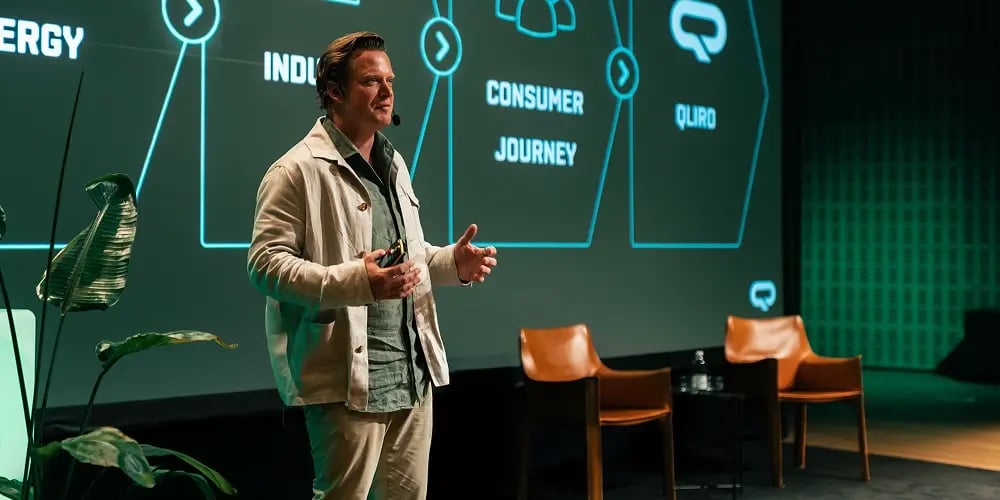 Photo: Christoffer Rutgersson (Qliro)
From good to world-class
The final panel of the evening brought together Pontus Krusing (Nudient), Jonathan Ehn (Asket), Svante Gabrán (XLASH), and Andrea Olofsson (Hudoteket) to discuss how companies go from good to great. If the previous panel was about growth, this one was about building brands that last.
Despite different business models, several commonalities emerged. Jonathan talked about Asket's uncompromising focus on quality and transparency. Andrea highlighted the importance of curiosity, constant development, and nurturing relationships with both customers and partners. Svante emphasized the importance of not getting stuck in yesterday's recipe for success – XLASH was an early adopter of influencer marketing, for example, but continued growth requires a constant ability to adapt to new behaviors.
Another recurring insight was the importance of building trust. Pontus described how Nudient works when entering new categories:
"When we launch something completely new, it's not only about releasing a product. We spend a lot of time educating our customers, listening to their feedback and making sure we build something they actually want. When we were launching our suitcase, it took 3 years. That's how we build trust over time."
Perhaps that was also the clearest common thread of the evening. Whether the conversations were about AI, growth, transformation, or brand building, the panelists kept coming back to the same thing. Technology creates efficiency, but people, relationships, and trust take companies from good to world-class.
Those of you who were there enjoyed a fantastic wrap-up with a quick Q&A session led by Sofia Alm (Qliro), which made for a perfect interactive conclusion before the networking continued.
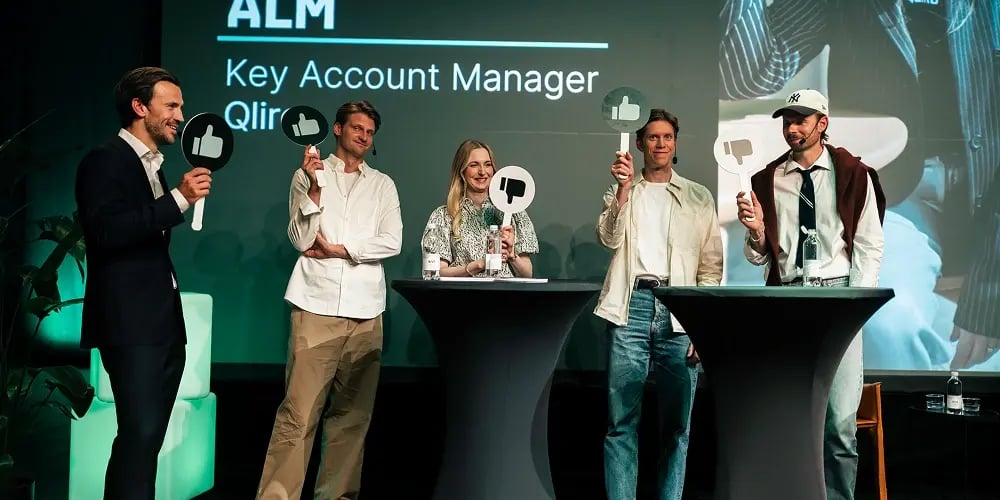 Foto: Jacob Wibom Westerberg, Svante Gabrán (XLASH), Andrea Olofsson (Hudoteket), Jonathan Ehn (Asket), Pontus Krusing (Nudient).
Transforming Commerce – WHERE TECHNOLOGY MEETS PEOPLE
One thing was clear after the evening. Whether the conversations were about AI, growth, transformation, or brand building, the same insight kept coming back. The best experiences are created at the intersection of smart technology and human understanding.
It was inspiring to see how many of the speakers shared the same starting point – starting with the customer, using new technologies as enablers, and creating real value through experiences that build trust over time.
Let's continue to build the future of commerce together. Connect with Qliro today.
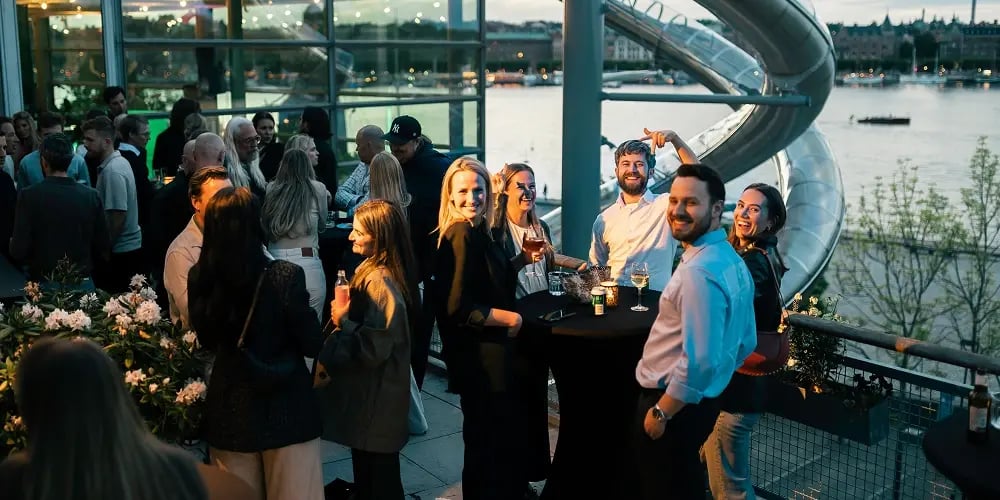
Speakers & stage participants
Jacob Wibom Westerberg (Moderator)
Bank Bergström (Nordic Nest)
Evelin Kaup (Qliro)
Pauline Högberg (Qliro)
Jeanette Dyhre Kvisvik (Villoid)
Fedja Porobic (Porobic Group)
Erik Hoekstra (Florea)
Christoffer Rutgersson (Qliro)
Pontus Krusing (Nudient)
Jonathan Ehn (Asket)
Svante Gabrán (XLASH)
Andrea Olofsson (Hudoteket)
Sofia Alm (Qliro)